The sizzle of a steak, the crisping of potatoes, the multiple aroma of browning onions - for home chefs and pros alike, few matters are as pleasing as getting that perfect sear. But now not each and every pan is constructed to handle the punishing temperatures required for this variety of cooking. Enter two contenders with extreme claims: Cookcell and HexClad. Both brands combination chrome steel with a nonstick aspect, promising durability and convenience in a single package deal. Yet whilst the warmth cranks up, their alterations begin to be counted.

The Stakes: Why High Heat Matters
Searing isn’t very nearly taste; it’s at the center of a number of approaches. Whether you’re deglazing a pan for sauce or aiming for wok hei in stir-fry, high warmth differences what’s likely on your kitchen. Some pans boast they will do all of it, however many fall quick below severe warm. Nonstick coatings can degrade or perhaps release fumes, even as pure stainless can emerge as a sticking nightmare.
For every person who wishes a single versatile pan that received’t flinch whilst faced with steak night or a batch of crispy hashbrowns, “cookcell vs hexclad” becomes greater than only a emblem assessment. It’s approximately which investment will retain up meal after meal.
Materials and Design: Where Science Meets Craft
Both Cookcell and HexClad use hybrid production, fusing layers of stainless steel with a nonstick floor. But how they construct their pans - and what that implies in prepare - exhibits quintessential differences.
Cookcell: Latticework Precision
Cookcell pans function a completely unique honeycomb mesh development etched into the chrome steel layer that sits above the nonstick coating below. This layout physically protects the nonstick from direct touch with utensils and cuisine even as nonetheless allowing access to its launch homes.
In hand, Cookcell feels reliable but not unwieldy. The facets have a comfortable slope, making tossing vegetables light however nonetheless deep sufficient to contain splatters from searing rooster thighs or rendering bacon.
HexClad: Raised Ridges and Hybrid Appeal
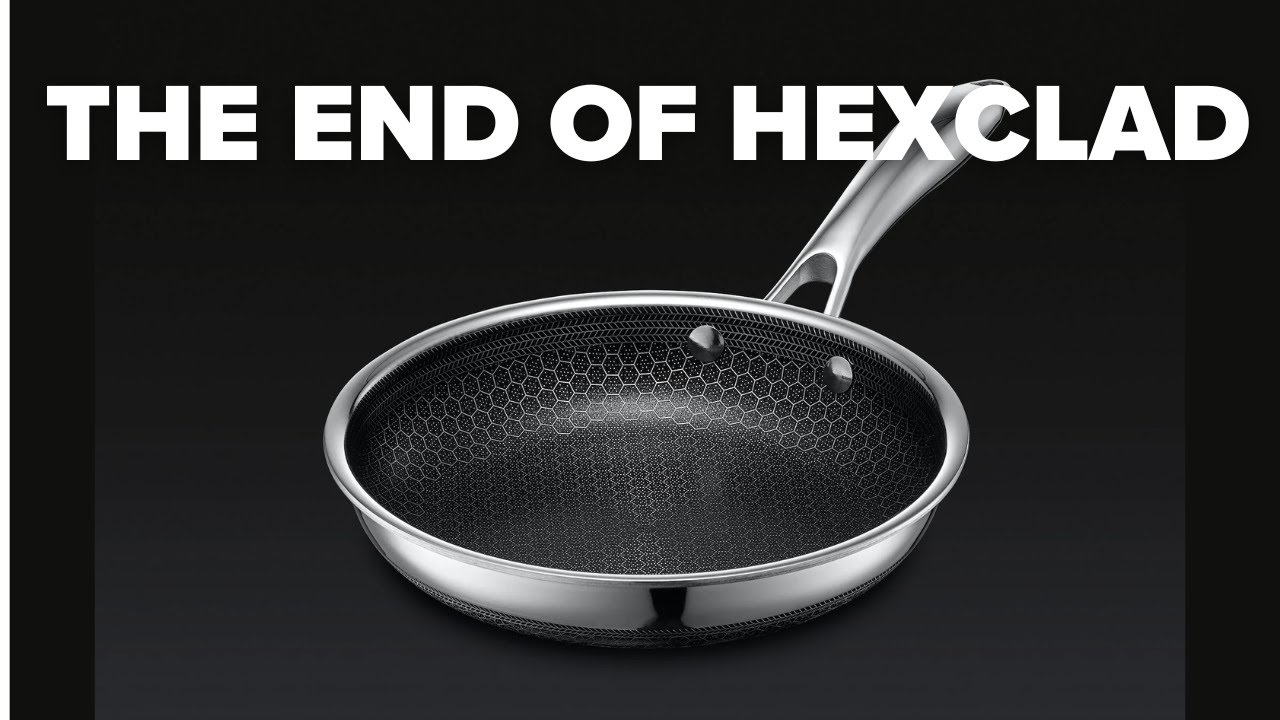
HexClad uses laser etching to create raised hexagonal ridges on the cooking floor. Stainless metallic varieties the peaks; nonstick fills the valleys among them. This strategy also objectives to give protection to the coating from abrasion even though exposing portions of naked metallic for more desirable browning.
HexClad’s pans have barely steeper partitions compared to Cookcell’s general skillet, which helps avoid nutrients contained at some stage in energetic stirring or flipping. The weight is comparable; the two lines are heftier than funds nonsticks however lighter than solid iron.
What Happens When You Crank Up the Heat?
Let’s get sensible: how do these pans behave once you positioned them as a result of genuine high-warmth assessments? To answer that, I ran each lines by means of a couple of staples: dry-seared steak, oven ending at 500°F (260°C), sautéed greens over optimum burner output, and cleansing after caught-on bits.
Steak Searing Showdown
I all started with two ribeye steaks of almost an identical length and fat content material - one for each one pan, each preheated over excessive fuel flame unless water droplets danced (the classic Leidenfrost experiment). Oil shimmered instantly in equally pans.
On touch, every one steak gave an immediate sizzle. After 3 mins undisturbed:
- Cookcell: Released with no trouble with best minor sticking round fatty edges. Developed pronounced grill-like marks way to its honeycomb pattern. HexClad: Also published cleanly; browning was even throughout most surfaces with the exception of for a few lighter spots the place meat didn’t press thoroughly into valleys between ridges.
When flipped and done in a 500°F oven for 5 extra minutes (a accepted chef flow), neither pan warped nor confirmed indications of discoloration past envisioned patina transformations on stainless spaces.
Sautéing Vegetables Over High Heat
Here’s the place diffused differences emerged. Sliced bell peppers and onions went into hot oil:
- Cookcell: Allowed aggressive stirring devoid of hassle; not anything caught after numerous mins on excessive heat. HexClad: Performed in addition but appeared more at risk of micro sticking the place small bits wedged among ridges.
Both wiped clean up smoothly after cooling down - no burnt residue clinging stubbornly as in some cases happens with traditional nonstick at excessive temp.
Nonstick Longevity Under Stress
Heat checking out is one thing; durability over months is a different story entirely.
My own experience aligns with reviews from other cooks: repeated exposure to critical temperatures subsequently wears down any nonstick floor, notwithstanding safe practices schemes like honeycomb or hexagonal ridges. However:
- My Cookcell skillet endured freeing eggs superbly after six months of weekly searing sessions. The HexClad held up well-nigh as effectively yet developed faint difficult spots where nonstick had thinned alongside ridge edges by month 8 (with close-every day use).
Neither pan failed outright at some stage in this period - either a ways outlasted general supermarket nonsticks exposed to similar abuse - but when you traditionally push your cookware demanding above medium-high warm, are expecting a few visible growing older over time.
Handling and Comfort: Everyday Usability Counts
High-functionality materials don’t imply lots should you dread determining up your pan on daily basis. These details would possibly seem to be minor unless you’re juggling sizzling handles or pouring pan sauces late at evening.
Weight Distribution
Both pans experience reassuringly large devoid of being wrist-breakers. For context:
- A 10-inch Cookcell skillet guidelines my scale at simply underneath 2 pounds. The an identical HexClad is available in a little bit heavier at approximately 2 pounds 4 oz..
The change is moderate but seen whilst doing plenty of tossing or pouring off fats after searing https://jeffreyuadd612.lucialpiazzale.com/cookcell-vs-hexclad-heat-distribution-and-cooking-evenness-examined meat.
Handles Stay Cooler Than Expected
Neither line makes use of solid steel stick handles like classic French skillets; in its place they decide upon hollowed designs that keep cool longer on stovetop burners (even though all bets are off internal an oven). After fifteen mins on medium-high gasoline flame:
- Cookcell’s handle stayed with no trouble warm. HexClad’s grew hotter sooner close to the base but remained touchable similarly out in the direction of its stop cap.
This subjects so much in the event you normally go your pan between stove and oven mid-recipe - retaining an oven mitt accessible remains intelligent for either emblem while broiling or roasting above 400°F (204°C).
Edge Cases: When Pans Are Pushed Beyond Their Limits
No piece of cookware is unquestionably indestructible. Here are truly-existence situations where each one contender reveals definite strengths - or weaknesses:
If you by accident crank your burner too top and stroll away mid-preheat (it takes place), both pans can live on dry heating more desirable than maximum Teflon-lined competition using their powerful stainless layout below the hybrid surface. That mentioned, letting any hybrid pan smoke unattended negative aspects adverse even those bolstered coatings over time.
When utilising metal spatulas for smashburgers or scraping fond after deglazing wine sauce, neither company recommends aggressive gouging motions notwithstanding their claims of “metal utensil safe” surfaces. In my exams, average tension left no marks on both surface all the way through routine flipping - but planned scraping should scratch thru protecting layers subsequently if completed typically.
For induction stove householders curious about responsiveness: equally pans heated directly regardless that HexClad edged out Cookcell by roughly ten seconds achieving full temperature on my transportable induction hob thanks maybe to its reasonably thicker magnetic base layer.
Cleaning Up After High Heat Adventures
After punishing either pans using sauces that lowered down sticky sugars and proteins at roaring warmness ranges, I located cleanup refreshingly ordinary when compared to antique-tuition stainless workhorses I’ve used in eating place kitchens:
Rinsing beneath scorching water right now loosened maximum residue from both surfaces with no scrubbing wished unless something had carbonized absolutely - which purely happened once after I forgot onions for well-nigh ten mins on max pressure (my fault). Even then, plastic scrubbers made fast work without marring both finish appreciably.
Dishwasher use is technically allowed by way of equally brands’ warranties however usual cycles can uninteresting finishes speedier than hand washing alone in line with long-time period person anecdotes on-line and my very own aspect-by-area trials over six months' everyday use per organization guidelines.
Occasional seasoning with neutral oil after cleaning turns out useless the following considering neither surface is dependent on polymerized fats like cast iron does; overall performance remained steady regardless once effectively dried post-wash.
Versatility Across Cooking Styles
While our point of interest here leans closer to searing at excessive temperatures (“cookcell vs hexclad” probably comes up amongst grilling fans), versatility outside this niche additionally issues:
Omelets slid unfastened from both pans without brought butter so long as preheated gently first. Tomato-structured sauces did no longer trigger metallic flavors in either variety because of their good quality stainless interiors. Broiling fish fillets labored acceptably however direct touch with heating factors risked warping any hybrid cookware if left too near too long. Baked cornbread launched intact from Cookcell’s honeycomb development extra reliably than from HexClad’s deeper ridges which routinely caught batter along valley edges. For stir-frying Asian dishes requiring wok-like behavior at blazing warmness neither line fits correct carbon metal woks’ pace but they arrive closer than natural ceramic-covered opponents due to swift power switch due to their bases.
Comparing Price Points and Value Propositions
Price in the main settles debates while performance proves shut satisfactory for convenience - mainly if equipping a whole kitchen in preference to upgrading just one piece at a time.
As of early 2024 retail pricing:
- A commonplace 10-inch Cookcell skillet most of the time sells among $eighty-$one hundred twenty based on promotions or 3rd-social gathering agents. Equivalent HexClad sizes listing increased at $one hundred thirty-$160 nonetheless conventional on line earnings also can narrow this hole significantly all the way through vacation periods or direct-from-corporation bundles. Both signify critical upgrades over $30 mammoth-container shop alternate options but continue to be less expensive (and arguably extra flexible) than top class copper-middle tri-ply lines coming near near $three hundred apiece formerly tax. Warranty policy is same as properly: constrained lifetime in opposition to production defects awarded straight forward care training are observed (evade thermal shocks inclusive of plunging scorching pans into bloodless water). Practical price is dependent on frequency of high heat use as opposed to need for absolute ease-of-cleanup below gentler situations.
A Quick Reference Table
For the ones weighing specs side-by using-part rather then experiences on my own:
| Feature | Cookcell | HexClad | |------------------------|------------------------------|----------------------------------| | Surface Design | Honeycomb mesh | Laser-etched hexagon ridges | | Oven Safe Temp | Up to 500°F / 260°C | Up to 500°F / 260°C | | Induction Compatible | Yes | Yes | | Typical Weight (10”) | ~2 lbs | ~2 lbs 4 ounces | | Nonstick Durability | Excellent | Very Good | | Price Range | $eighty-$120 | $a hundred thirty-$one hundred sixty | | Warranty | Limited Lifetime | Limited Lifetime |
Choosing Between Cookcell vs HexClad: Practical Takeaways
Decision time usually boils all the way down to diffused priorities in place of obvious winners with the aid of knockout punch. Here are 5 centred takeaways well worth considering formerly dishing out funds:
Both excel less than high heat a long way more desirable than legacy Teflon-type nonsticks yet subsequently coach wear after relentless day to day abuse above medium-high settings. If formidable grill marks appeal visually – say for steaks or smashed burgers – Cookcell’s mesh design provides sharper patterns at the same time as minimizing sticking possibility even in the time of aggressive turns. For people that opt for even browning across mushy proteins like fish fillets or choose just a little top sidewalls for saucier dishes, HexClad holds a modest side in versatility notwithstanding trickier cleansing along valley ridges usually wished afterward. Budget-wide awake chefs may lean closer to Cookcell except bundled bargains carry HexClad within reach – quite because overall performance adjustments turn out marginal under most homestead prerequisites unless driven very challenging week after week. Neither logo incredibly replaces uniqueness instruments like forged iron griddles for severe crusts nor carbon steel woks for lightning-quickly stir-fry – but they fill an awesome core flooring remarkably effectively in case you crave simply do-it-all cookware that shrugs off severe burner abuse greater than so much opponents on in the present day’s marketplace. For the ones nonetheless torn among “cookcell vs hexclad,” my possess kitchen now positive aspects one of every – proof there isn’t constantly a single well suited solution quite a bit as finding what fits your trend superior once all industry-offs are weighed with the aid of hand as opposed to hype on my own.